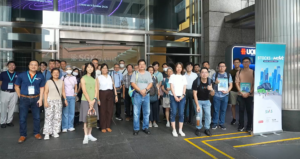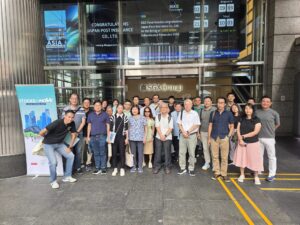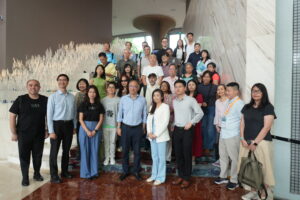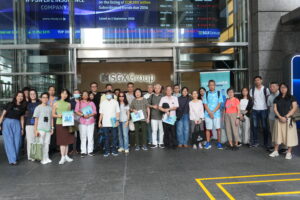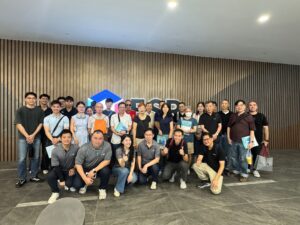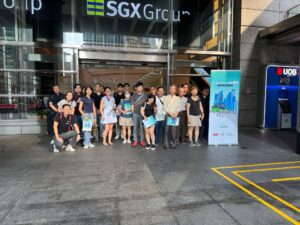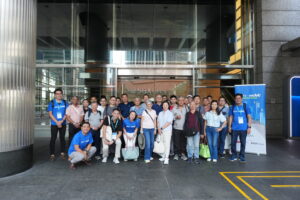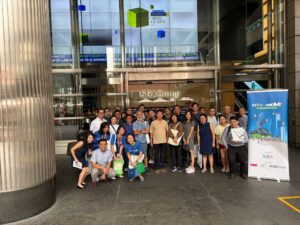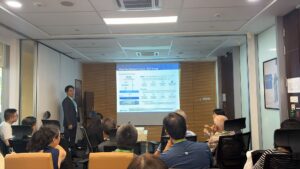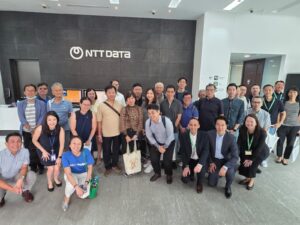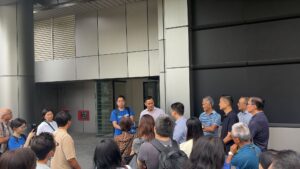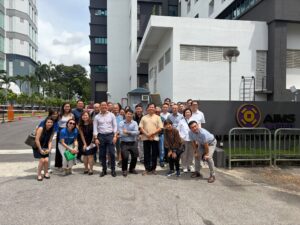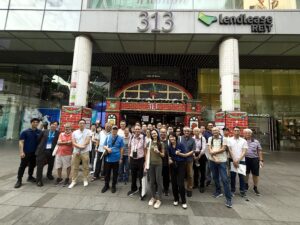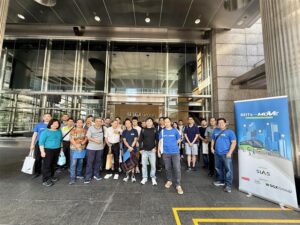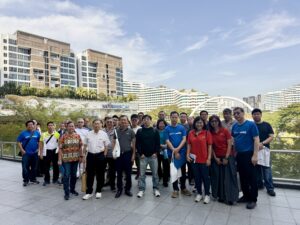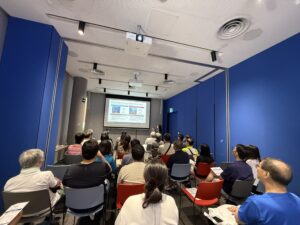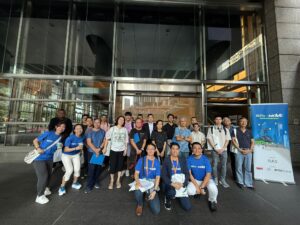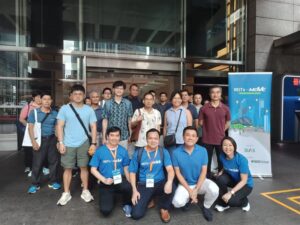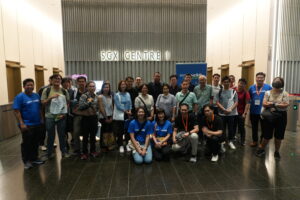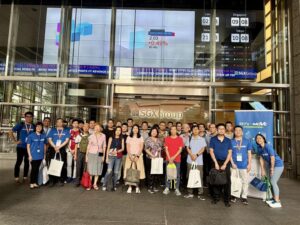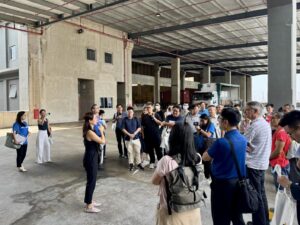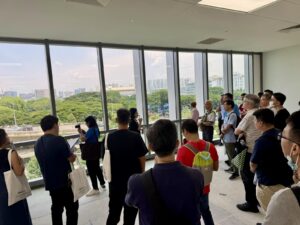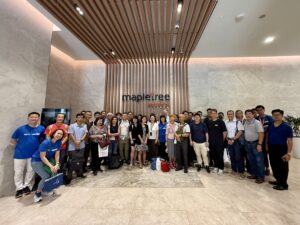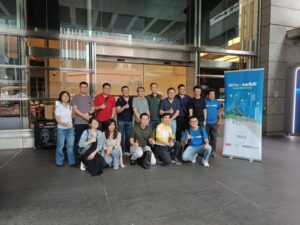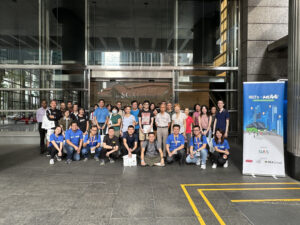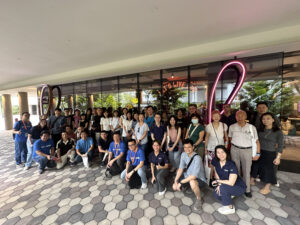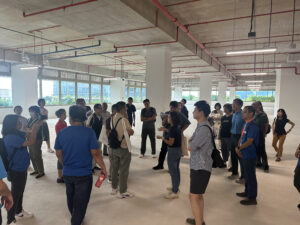
"Stocks on the Move" is an experiential programme designed to deepen investor engagement through immersive and live learning formats. Building on the success of “REITs on the Move” in 2025, this enhanced programme goes beyond REITs to include listed companies, offering participants a broader and more holistic view of Singapore’s equity market. Across 12 sessions, investors will gain rare behind-the-scenes access to 24 companies through curated site visits and expert-led discussions.
Participants will have the opportunity to step into company operations and interact directly with key industry professionals, including senior management from listed companies, research analysts and trading representatives. These interactions provide valuable firsthand insights into business operations, growth strategies, and broader industry dynamics.
Organised by SIAS, this programme is jointly supported by Singapore Exchange (SGX Group), REIT Association of Singapore (REITAS), and the Securities Association of Singapore (SAS).
Watch 2025 highlights here:
Participating Companies in 2026
Stay Tuned...
FAQs
If you are interested to participate in Stocks on the Move, you can express your interest here. You will be notified via email when registration opens. Please note that there is a registration fee of $5.00 (U.P. $10.00), and your registration will only be confirmed upon receipt of payment.
Stocks on the Move is run as a special tour-style programme rather than a standard calendar event. The sessions are intentionally kept small, with limited bus seating, to ensure participants have a more interactive and personalised experience.
Walk-ins are not allowed. Seats on the bus are limited, and all materials plus meals are prepared based on confirmed attendees.
A nominal fee is charged to help cover the event cost and to ensure attendee's commitment.
We understand that plans can change. However, as seats are limited and event materials are prepared ahead of time based on registrations, we are unable to offer refunds or transfer registrations. We kindly encourage you to check your schedule before completing your registration.
You will be visiting 2 companies per session. Details of the locations will be shared through email. Please register your interest here to be included in our mailing list.
No, all attendees are required to attend the full session, as transport and meal arrangements have been made based on your full participation.
The bus will depart on time to keep the session on schedule. We encourage you to arrive early and buffer extra time for unforeseen delays.
Educational Reads
Understanding Listed Companies
Listed companies are publicly traded businesses whose shares are listed on an approved stock exchange, such as SGX. By being listed, these companies can raise capital from the public and their shares are freely bought and sold by investors at market‑determined prices. Listed companies are subject to regulatory oversight and disclosure requirements imposed by the SGX and the Monetary Authority of Singapore (MAS), which promote transparency and protect investors.
- Public Ownership and Market Accessibility: Listed companies have their shares publicly traded on SGX, allowing a broad base of retail and institutional investors to buy and sell shares at market‑determined prices. This enhances liquidity and price transparency.
- Regulatory Oversight and Disclosure Requirements: These companies are subject to regulatory oversight by the SGX and MAS. They are required to make regular financial disclosures and timely announcements of material information, promoting transparency and investor protection.
- Access to Capital and Funding Flexibility: Being listed enables companies to raise capital more efficiently through equity issuances or other capital market activities. This access to funding can support business expansion, investments, and long‑term growth initiatives.
- Professional Management and Corporate Governance: Listed companies are typically managed by professional leadership teams and must adhere to established corporate governance standards. These requirements help align management decisions with shareholder interests and enhance accountability.

Returns from listed companies vary across different stocks and are influenced by factors such as business performance, industry conditions, market sentiment, and broader economic trends. Investors in listed companies may earn returns through share price appreciation and, where applicable, dividend payments.
Listed companies may adopt different dividend policies depending on their growth stage and capital needs. Some companies reinvest profits to support business expansion, which may result in lower or less regular dividend payouts, while others with more stable cash flows may provide consistent dividends. Overall, returns from listed companies can range from stable and income‑oriented to growth‑driven, but they are subject to market fluctuations and company‑specific risks that may lead to periods of volatility.
Listing a company offers a distinct risk and return profile for both investors and business owners. For companies, listing provides an opportunity to access public capital markets while enhancing corporate visibility and credibility.
For business owners, listing enables them to:
- Raise funds from public investors to support business expansion, acquisitions, or new growth opportunities;
- Unlock shareholder value by monetising all or part of a business that may otherwise be valued at a discount in private markets;
- Improve capital efficiency by realising value earlier, strengthening the balance sheet, and reducing concentration or operational risks; and
- Generate ongoing income or earnings, supported by continued ownership of and participation in the listed operating business.
Overall, listed companies — particularly small‑ to mid‑cap companies — provide issuers with access to capital markets while offering investors opportunities to participate in a broad range of growth‑oriented or income‑generating businesses.
1. Income and Growth Opportunities
Listed companies can provide investors with returns through share price appreciation and, in some cases, dividend payments. Growth‑oriented companies may reinvest profits to expand their businesses, potentially offering higher capital growth over time, while more established companies may generate steady earnings and pay regular dividends.
2. Access to a Wide Range of Businesses
Investing in listed companies allows investors to gain exposure to businesses across diverse industries, sectors, and stages of development. This includes established market leaders as well as emerging or expanding companies that may be difficult for individual investors to access through private investments.
3. Liquidity and Ease of Trading
Shares of listed companies are traded on SGX, enabling investors to buy and sell their holdings more easily at market‑driven prices. This liquidity provides flexibility compared to investments in unlisted or private companies, which may be harder to exit.
4. Diversification
Listed companies offer opportunities to diversify investment portfolios across different industries, business models, and geographical markets. This diversification can help reduce reliance on any single company or sector and mitigate overall investment risk.
5. Professional Management
Listed companies are run by professional management teams responsible for strategic direction, operations, and long‑term value creation. Management performance is subject to scrutiny by shareholders, analysts, and regulators, helping to align interests with investors.
6. Transparency and Corporate Governance
Listed companies operate under SGX’s regulatory framework, which requires ongoing financial reporting, disclosure of material information, and adherence to corporate governance standards. These requirements promote transparency, accountability, and investor protection.
Understanding REITs
A listed REIT is a vehicle for investment in a portfolio of real estate assets, usually established with a view to generating income for unit holders. REITs assets are professionally managed, and revenues generated from assets (primarily rental income) are normally distributed to you, as a unit holder at regular intervals. Units of listed REITs are bought and sold like other securities listed on SGX at market-driven prices.


- Portfolio Diversification REITs typically own multi-property portfolios with diversified tenant pools, which reduce the risks of reliance on a single property and tenant in the case of directly owning a real estate asset.
- Income Distribution REITs normally have regular cash flows since in most cases, most of the revenues are derived from rental payments under contractually-binding lease agreements with specific tenure.
- Participation in the Property Market Most REITs are structured around large properties. With REITs, you can own stakes in such properties.
- Professional Management REITs allow investors the opportunity to buy into properties managed by professional property management companies.

Returns vary across different REITs stocks, depending on factors such as business performance, market conditions, and sector exposure.
A REIT typically distributes dividends regularly based on income generated by the properties in its portfolio. Most REITs have annual managers’ fees, property management fees, trustees’ fees and other expenses that will be deducted from their cash yields before distributions are made.
Launching a REIT offers a different risk and return profile for both investors and sponsors or companies.
For developers or business owners, it provides a way to:

- Raise funds from public investors to support expansion or new opportunities;
- Free up the balance sheet by unlocking the value of assets or businesses that may otherwise be valued at a discount;
- Capture value earlier by bringing forward profits, improving capital efficiency, and reducing concentration or operational risks; and
- Generate recurring fee or income streams, such as management fees in the case of REITs, or ongoing earnings from operating businesses for listed companies.
Overall, REITs offer issuers access to capital markets while providing investors with opportunities to participate in diversified income generating or growth-oriented investments.
1. Income and Growth Opportunities
REITs offer regular income distributions, which are often tax-exempt for individual investors in Singapore. Their structure provides stability and visibility of income, making
2. Accessibility to Real Assets and Growing Businesses
REITs allow investors to gain exposure to high-value commercial, industrial, or residential properties with a relatively small capital outlay, essentially offering access to property investments in "bite-sized chunks."
3. Liquidity and Ease of Trading
REITs are listed on the SGX and traded like stocks. This allows investors to buy or sell holdings more easily compared to physical real estate or private investments.
4. Diversification
REITs help reduce concentration risk by allowing investors to diversify across different property sectors and geographic regions. Some REITs even allow investors to focus on specific subsectors, such as retail, industrial, or hospitality.
5. Professional Management
REIT assets are managed by experienced professionals who handle operations, leasing, and property improvements — removing the day-to-day burden of property management from investors.
6. Transparency and Governance
REITs operate under SGX’s regulatory framework, with ongoing disclosure requirements and corporate governance standards that promote transparency, accountability, and investor protection.
Getting Started with REIT and Listed Company Investing
To trade listed REITs and stocks of listed companies on SGX, you will need the following accounts:
- A securities account maintained with the Central Depository (Pte) Limited (“CDP”), or a sub-account maintained with a CDP Depository Agent; and
- A trading account maintained with an SGX Securities Trading Member Company.
REITs stocks and stocks of listed companies on SGX Securities may be purchased on margin, subject to terms and conditions similar to those applicable to other securities traded on SGX.
You may buy and sell listed REITs and stocks of listed companies on the SGX securities market through a licensed broker or via an online trading account.
Behind the Scenes of REITs on the Move
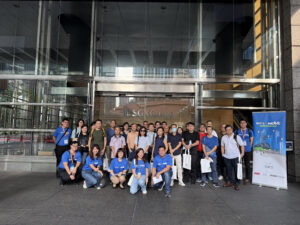
ESR REIT and Centurion Accommodation REIT - 29 November 2025
NTT DC REIT and AIMS APAC REIT - 27 November 2025
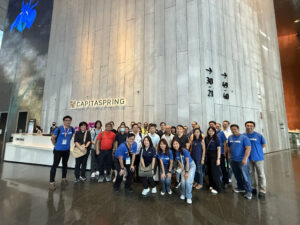
OUE REIT and CapitaLand Ascendas REIT - 22 November 2025
Keppel REIT and Lendlease Global Commercial REIT - 15 November 2025
Frasers Centrepoint Trust and CapitaLand Ascott Trust - 8 November 2025
Starhill Global REIT and Suntec REIT - 27 September 2025
CapitaLand Integrated Commercial Trust and OUE REIT - 20 September 2025
Frasers Centrepoint Trust and Starhill Global REIT - 13 September 2025
AIMS APAC REIT and Mapletree Industrial Trust - 28 August 2025
ESR REIT and Lendlease Global Commercial REIT - 23 August 2025
CapitaLand Ascott Trust and CapitaLand Ascendas REIT - 5 July 2025
CapitaLand Integrated Commercial Trust and Suntec REIT - 21 June 2025